Chelating ion exchange resins are widely used to eliminate metal interferences in the analysis of ammonium (NH4+) in soil extraction solutions. However, their potential to retain NH4+ remains underexplored. Here, synthetic metal ion solutions containing 6–30 mg L−1 NH4+ and the metal cations calcium (Ca2+), magnesium (Mg2+), copper (Cu2+), manganese (Mn2+), and zinc (Zn2+) were treated with Amberlite IRC-748 resin. The resin efficiently removed Ca2+ (−42.2%), Mg2+ (−21.1%), Cu2+ (−99.9%), Mn2+ (−56.9%), and Zn2+ (−93.6%). However, NH4+ losses of 2.2–5.6% were observed, indicating concentration-dependent NH4+ retention by the resin. While these losses may be acceptable for concentration measurements via routine assays such as photometric analysis, they may affect the accuracy of high-precision N analyses that rely on quantitative NH4+ recovery. This highlights a methodological caveat for resin-treated samples, especially in low-NH4+ environments. Recovery assessments and correction factors are therefore recommended when using chelating resins to improve the accuracy of NH4+ quantification.
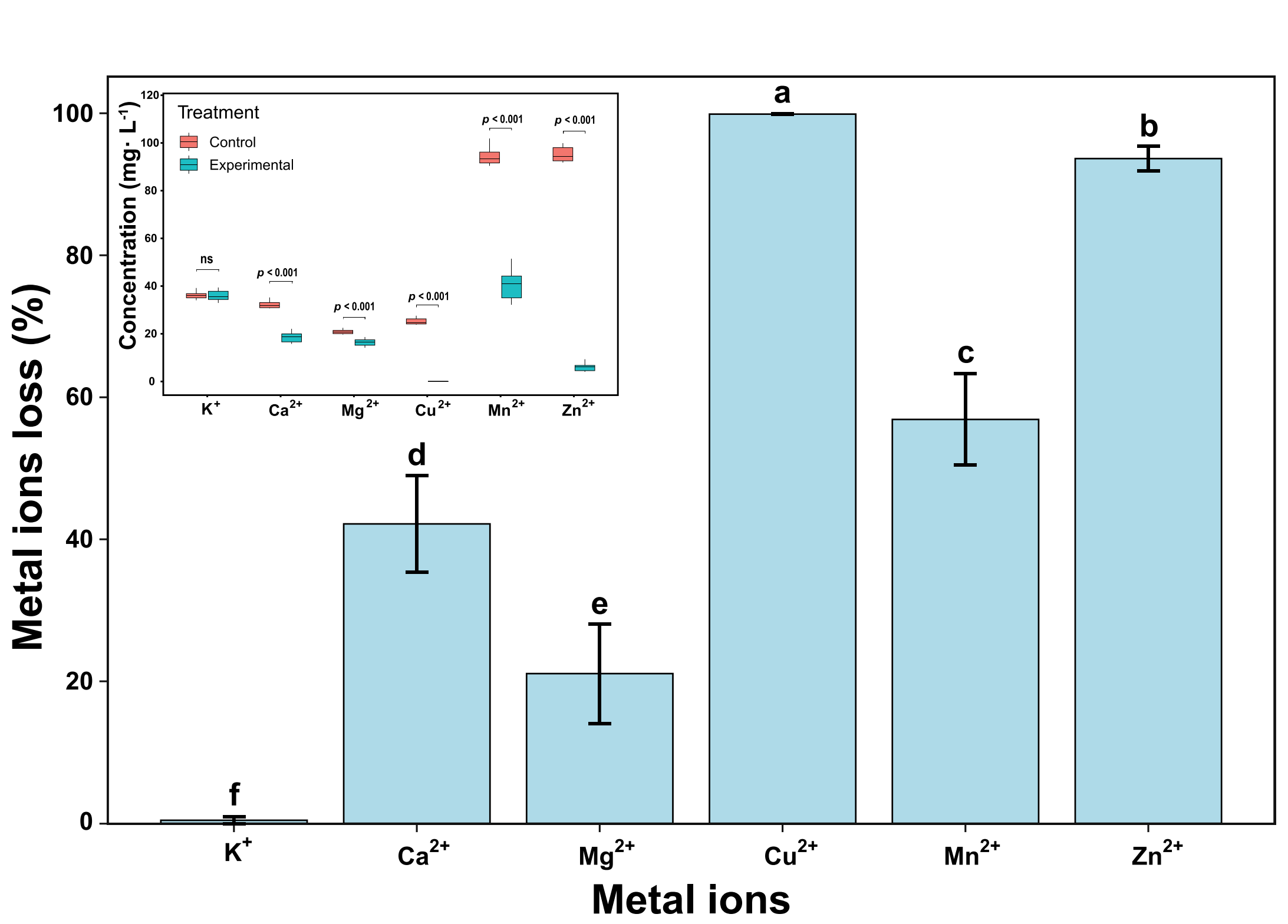
Figure 1. Saproxylic host (bees and wasps) and parasitoid abundance (A, B), species richness (C, D), and apparent parasitism rate (E) in standing deadwood with ant exclusion (blue circle), standing deadwood accessible to ants (red triangle), and deadwood lying on the ground (yellow square).
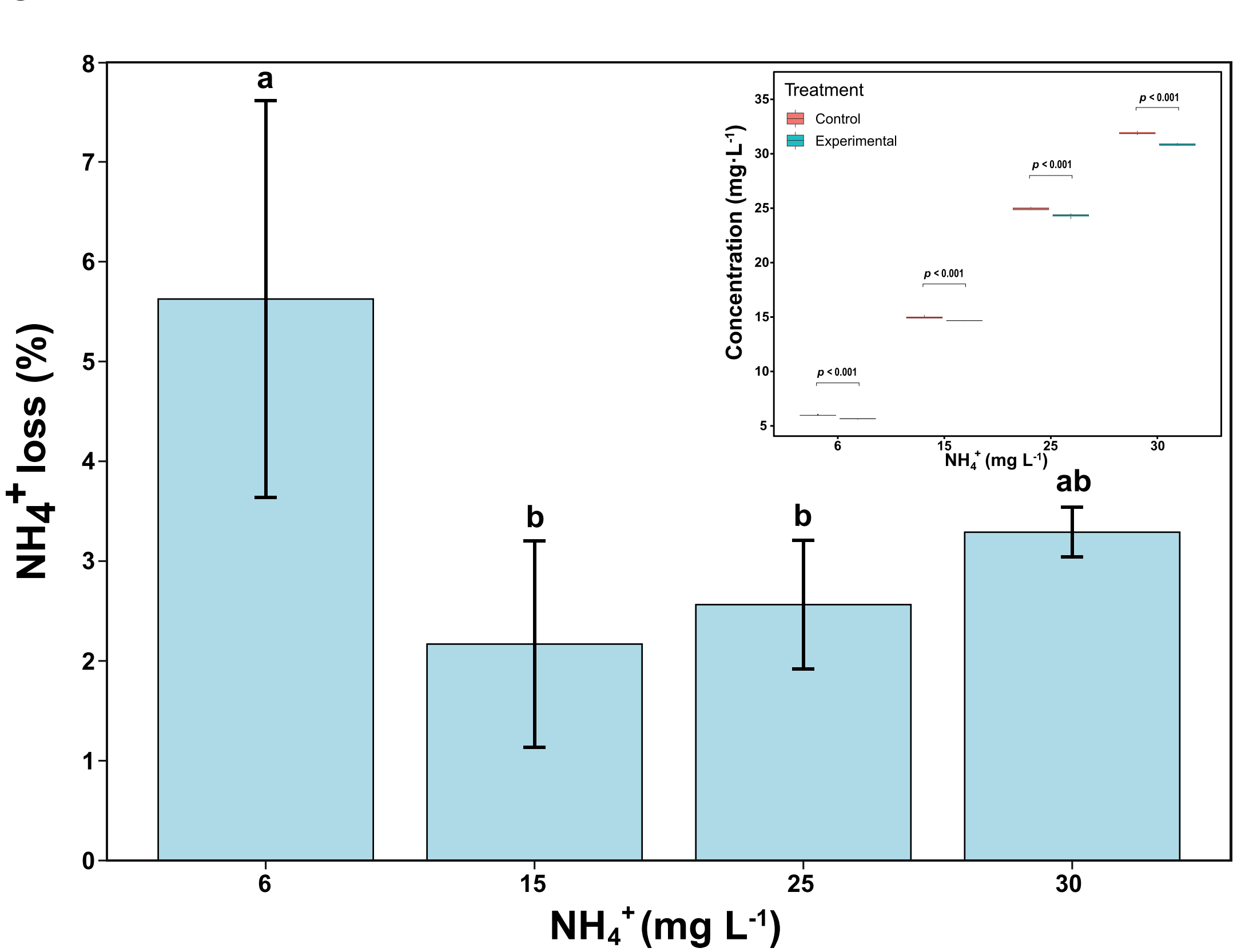
Figure 2. Relationships between standing deadwood with ant exclusion, standing deadwood accessible to ants, and lying deadwood on (A) gravimetric moisture content, and (B) probability of ant occurrence.
Literature:
Haikuo Zhang*, Harald Neidhardt, Steffen Seitz, Thomas Scholten, Yvonne Oelmann*. 2026. Ammonium Retention by Amberlite IRC-748 Resin: Useful for Concentration Assessments. Communications in Soil Science and Plant Analysis. 57(18):1572-1578. https://www.tandfonline.com/doi/full/10.1080/00103624.2026.2711844
