
Forest biodiversity experiments test how species diversity affects forest ecosystem functioning, typically in terms of forest productivity. In this Review, we discuss key findings from these experiments and put them into context with observational studies from forests. Experimental studies can reveal causal effects of biodiversity on ecosystem functioning, which is extremely challenging in observational studies. The past three decades of experimental research show that increasing tree diversity can promote a multitude of ecosystem functions through resource partitioning, abiotic and biotic facilitation, and other species interactions. The longest-running experiments show that these relationships strengthen over time, and comparative work in natural or planted forests suggests that these effects are likely to persist. Moreover, diversity at other trophic levels can strongly mediate tree diversity effects on forest productivity. New experiments that manipulate both tree diversity and the diversity of other trophic levels as orthogonal treatments are needed to investigate causality in these interactions. Furthermore, experiments crossing tree diversity with global change factors are necessary to understand the context-dependency of tree diversity–ecosystem functioning relationships under global change. Finally, combining insights from observational studies and experiments can help biodiversity–ecosystem function research to inform restoration and forest management targets of the Global Biodiversity Framework.
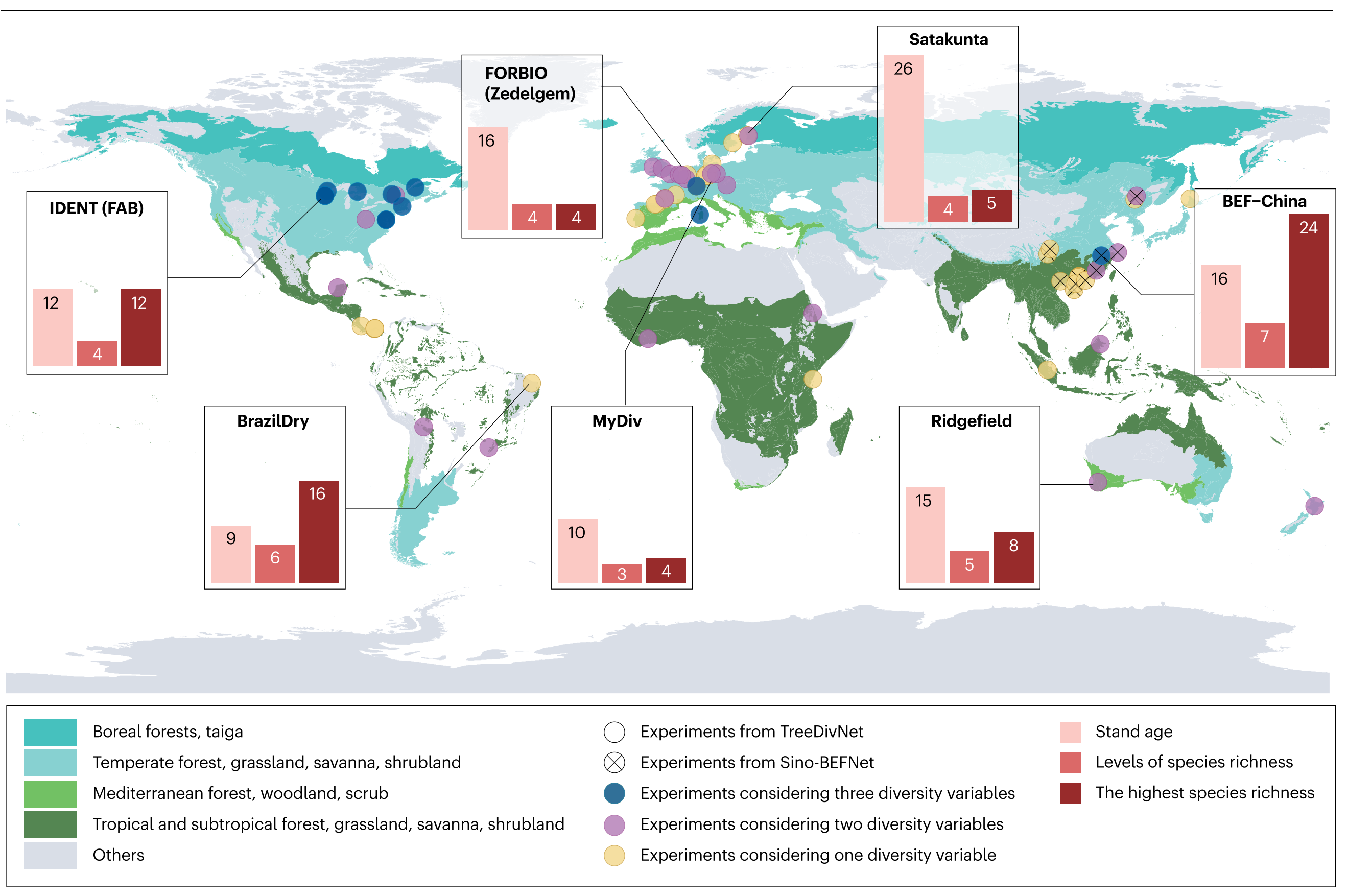
Figure 1. The locations and types of 45 forest biodiversity experiments covering 72 sites globally.
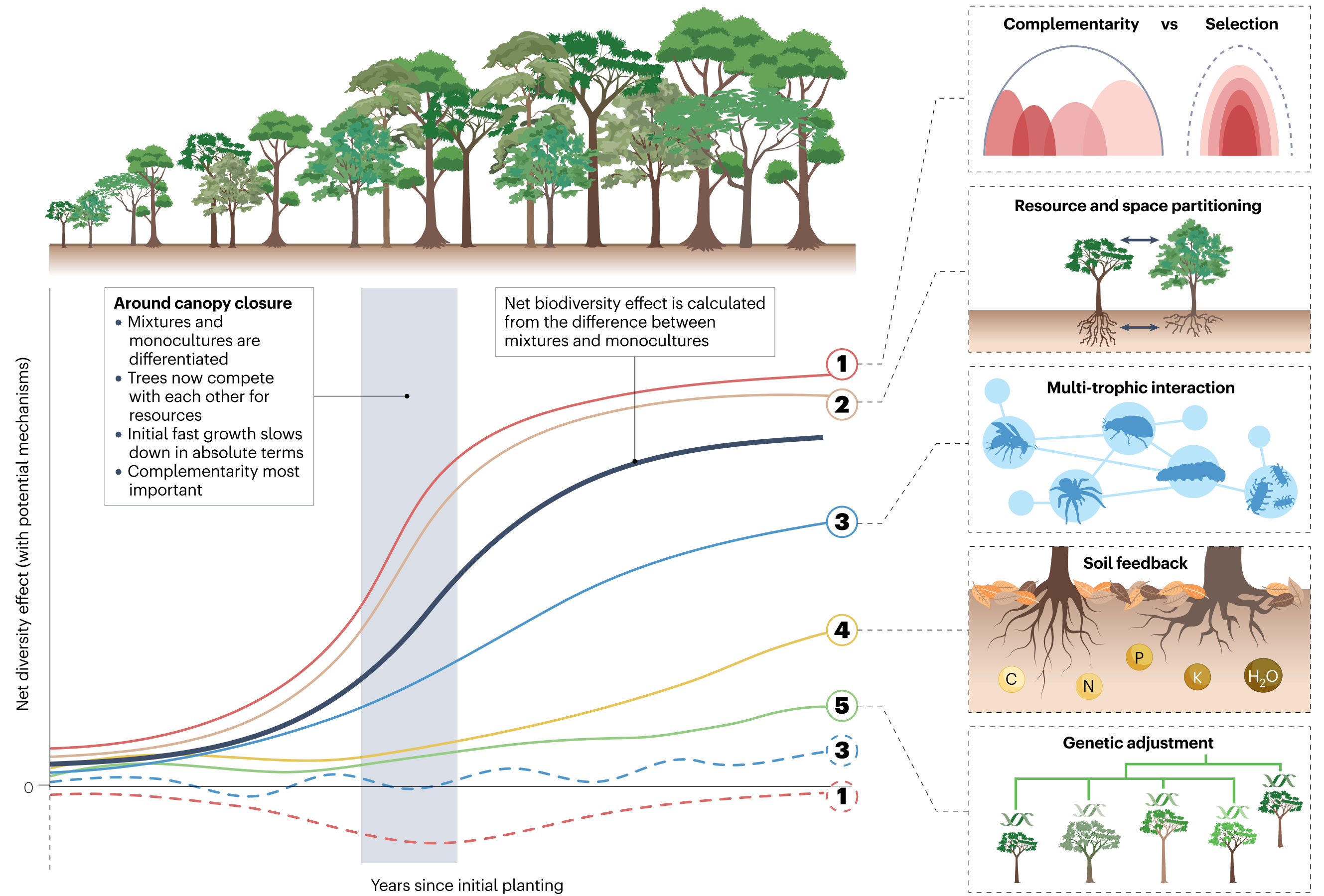
Figure 2. Potential mechanisms underlying the tree diversity effect over time.
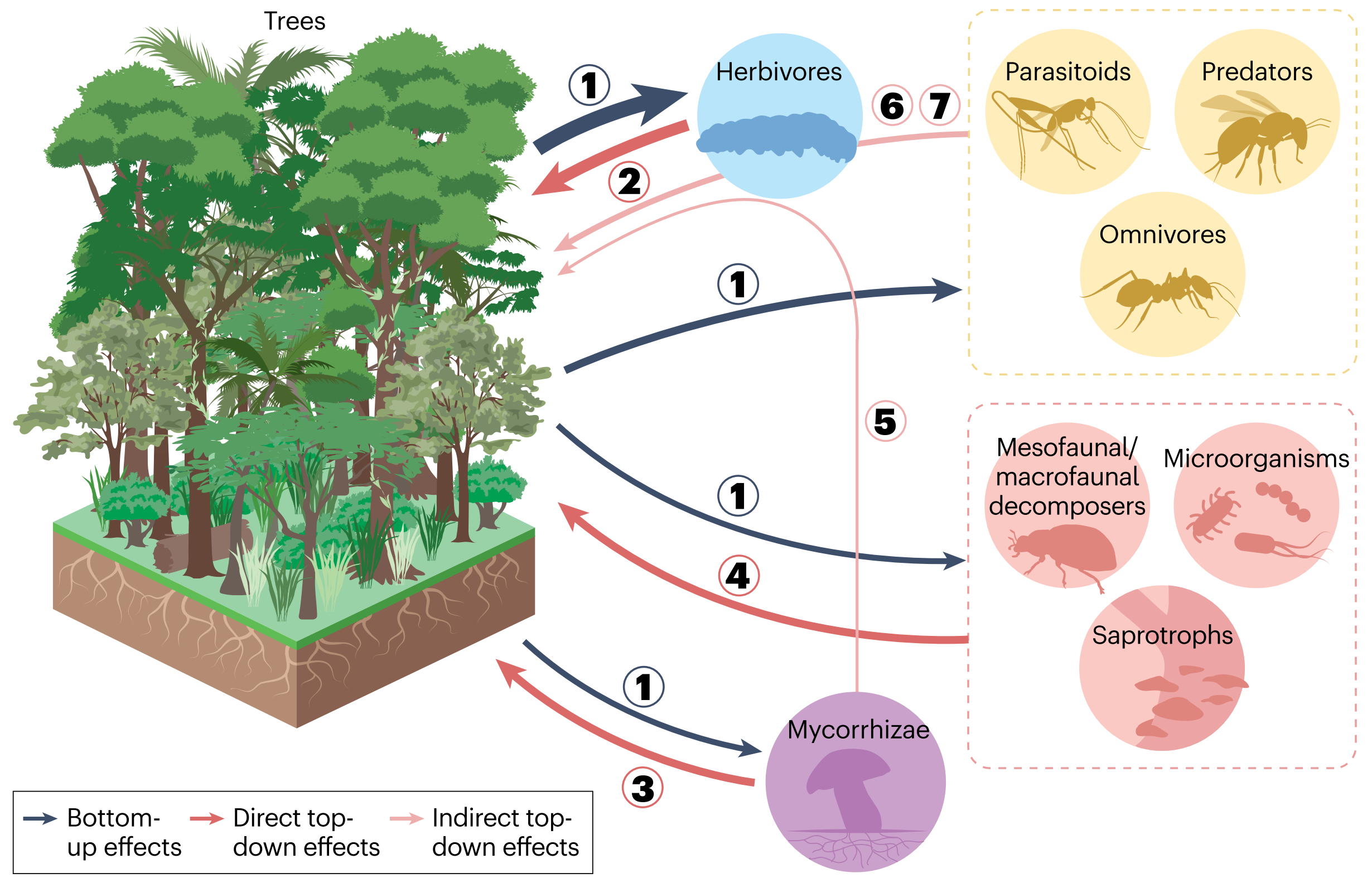
Figure 3. Trophic mediation of tree diversity effects via interactions with and among higher trophic levels.
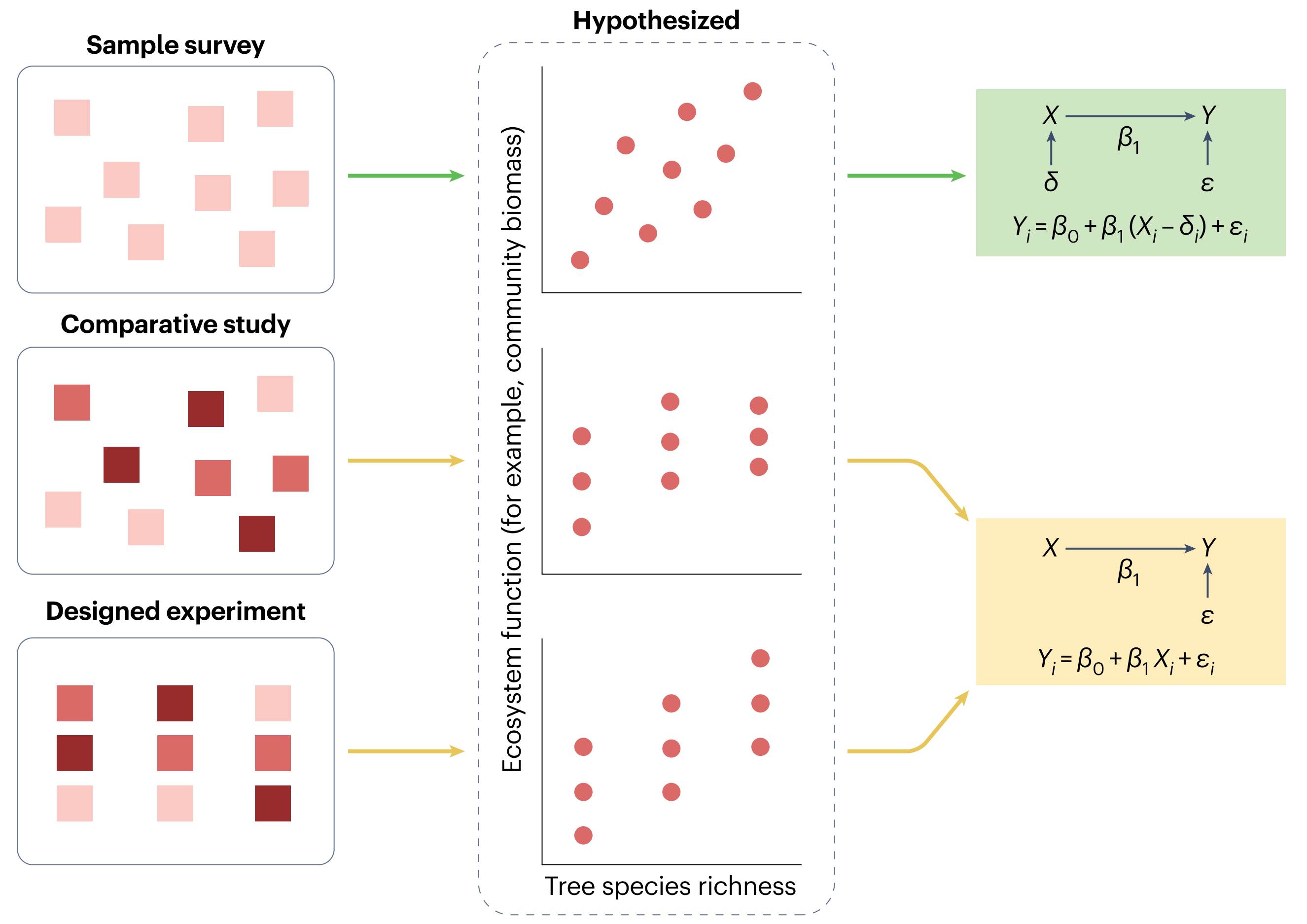
Figure 4. Experimental and observational BEF approaches.
Literature:
Xiaojuan Liu, Andreas Schuldt, Jeannine Cavender-Bares, Alain Paquette, Bernhard Schmid, Keping Ma*. 2026. Ecological insights from three decades of forest biodiversity experiments. Nature Reviews Biodiversity. 2(1):9-23. https://www.nature.com/articles/s44358-025-00112-2.
Chinese report: https://mp.weixin.qq.com/s/LJMSqXpN9eNWB54eNvujCA.